SaloneSatellite Milano 2026
Second-year architecture students present furniture and wearable objects exploring the dialogue between craftsmanship and innovation.
This years course was centered around the theme of sound, and the exhibition in Lund curated by the students themselves was accordingly named Audiofurnitura. This exhibition catalogue presents the projects shown in the Lund exhibition and provides context and insight into the pieces selected to be exhibited at Salone del Mobile Milano. Through their material explorations and sustainable making processes, students approached sound not only as something to be heard, but also as something that can be interpreted and expressed through form and design. What is sound, and how do we translate the sense of hearing — the waves, vibrations and rhythms of sound into design?
Architectural Design Process and Prototypes
Design Process and Prototype is a course conducted each year by second-year students at the School of Architecture in Lund. In the course, students present furniture and wearable objects, exploring the dialogue between craftsmanship and innovation. Guided by architects, artists, fashion designers, carpenters, and metalworkers, they transform conceptual research into hands-on experimentation.
The project fosters a deep understanding of materials, circular processes, and collaborative making. By working with recycled and bio-based resources, students learn to design responsibly, combining artisanal skill with contemporary methods to shape resilient and forward-looking design practices.
Teachers & assistants
- Marit Lindberg, Course coordinator
- Martin Svansjö, Course coordinator
- David Eriksson, Workshop manager
- Helene Sveningsson, Exhibition coordinator
Thanks to our sponsor
Ottosson Färgmakeri (Swedish website)
Blå station (Swedish website)
Sonsab (Swedish website)
Contact
Valentina Rapuano, Communicator
valentina [dot] rapuano [at] abm [dot] lth [dot] se
+46 72 543 22 01
Projects
Short description of all the participating projects.
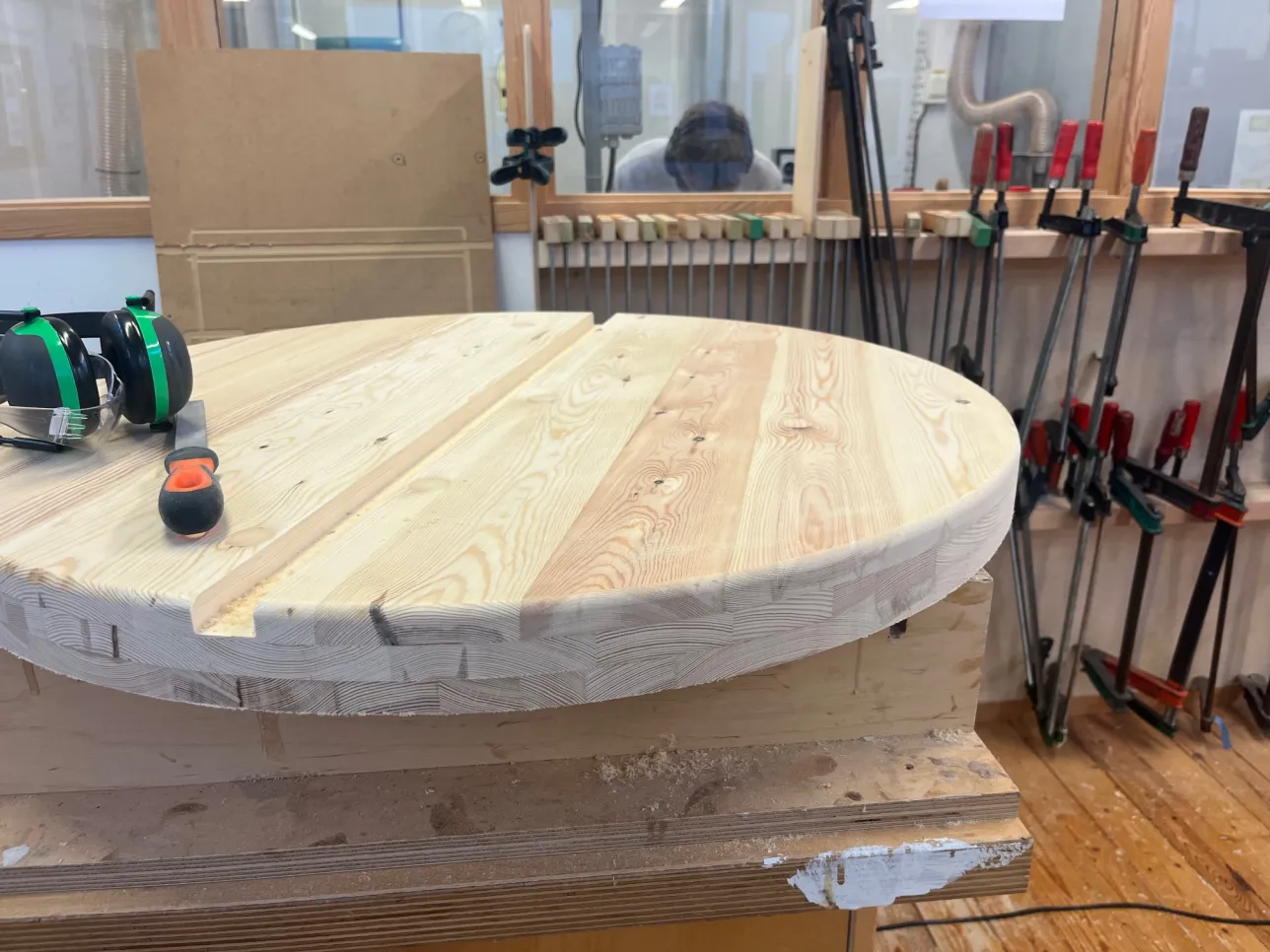
Furniture building process
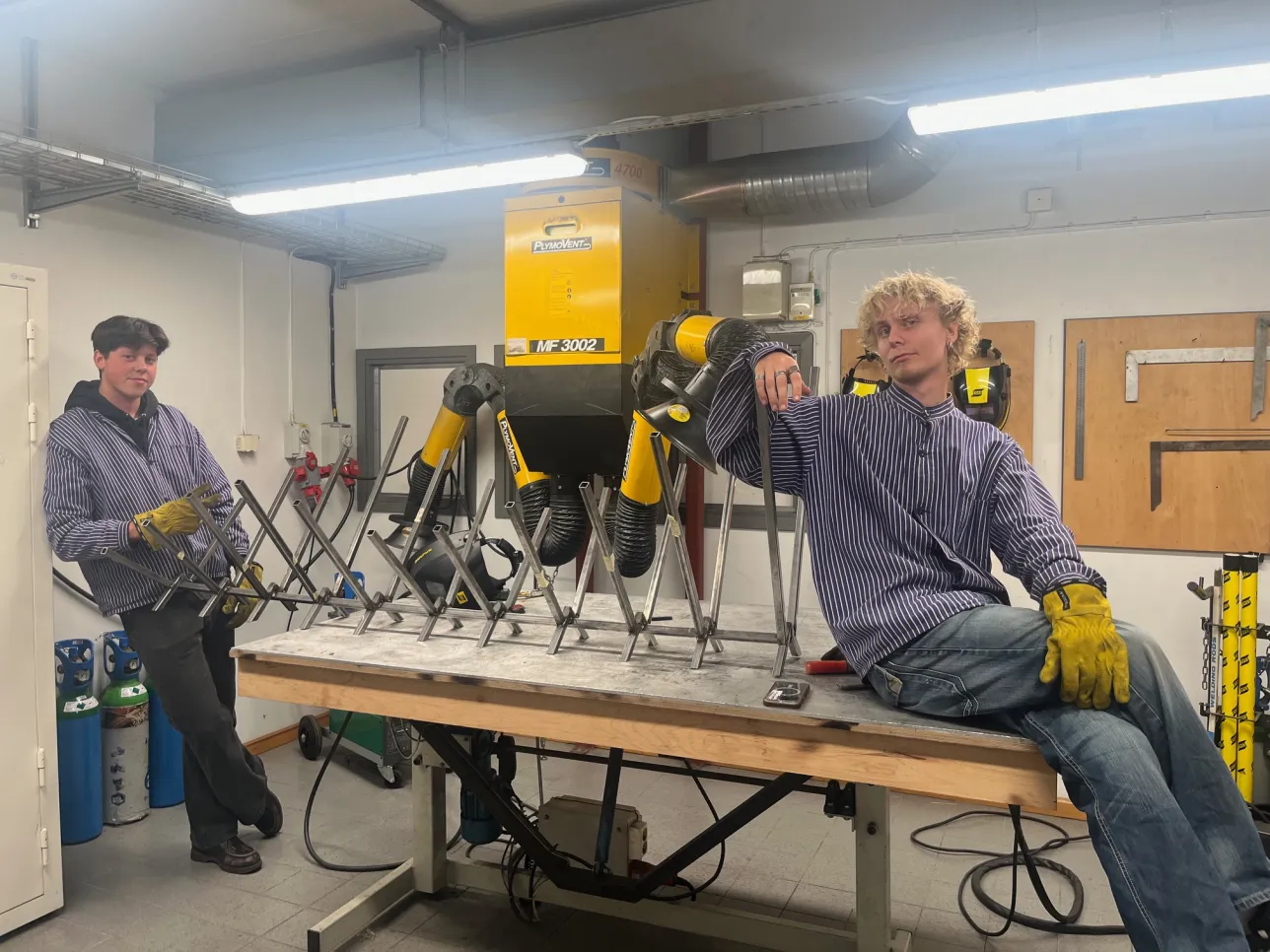
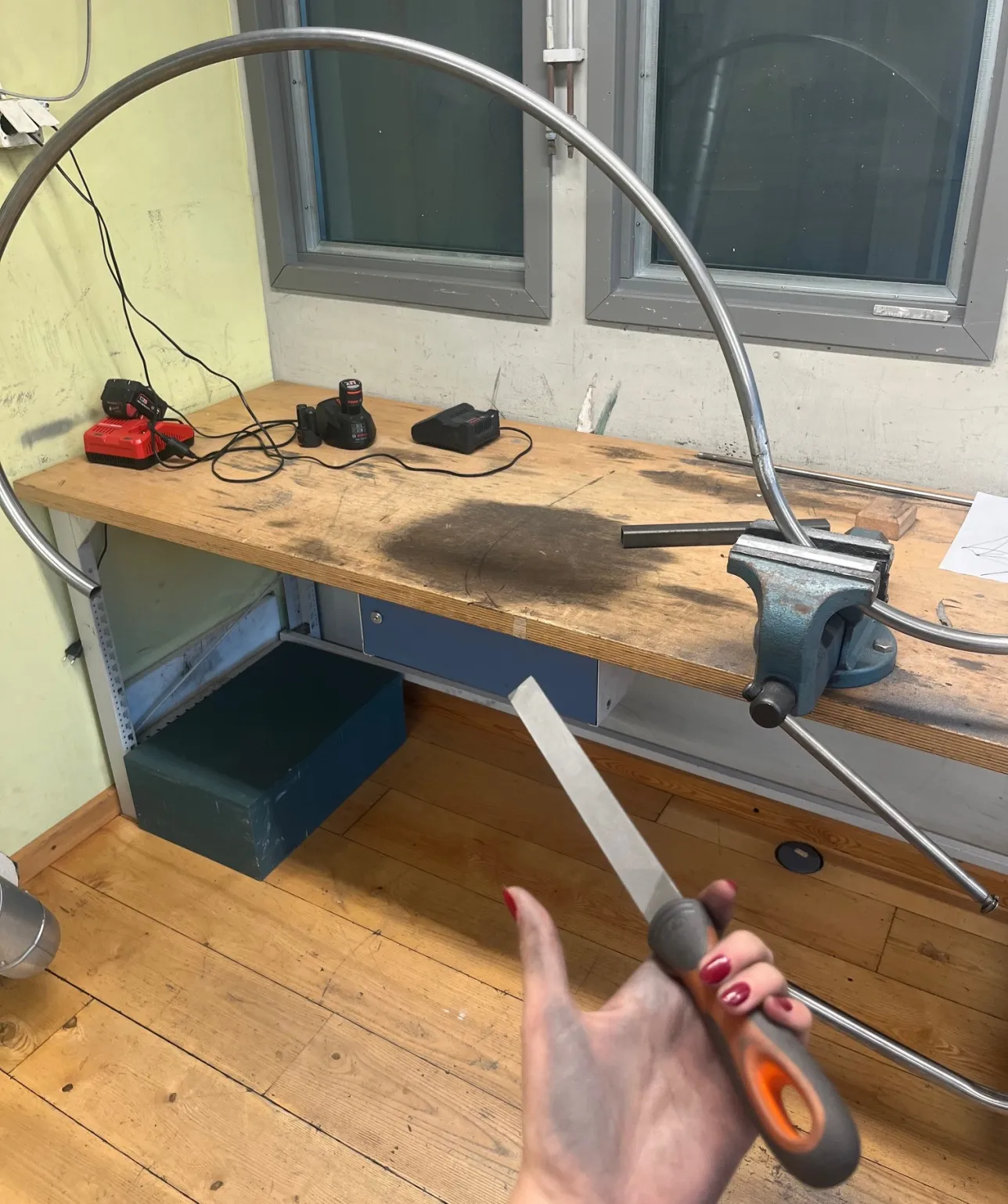
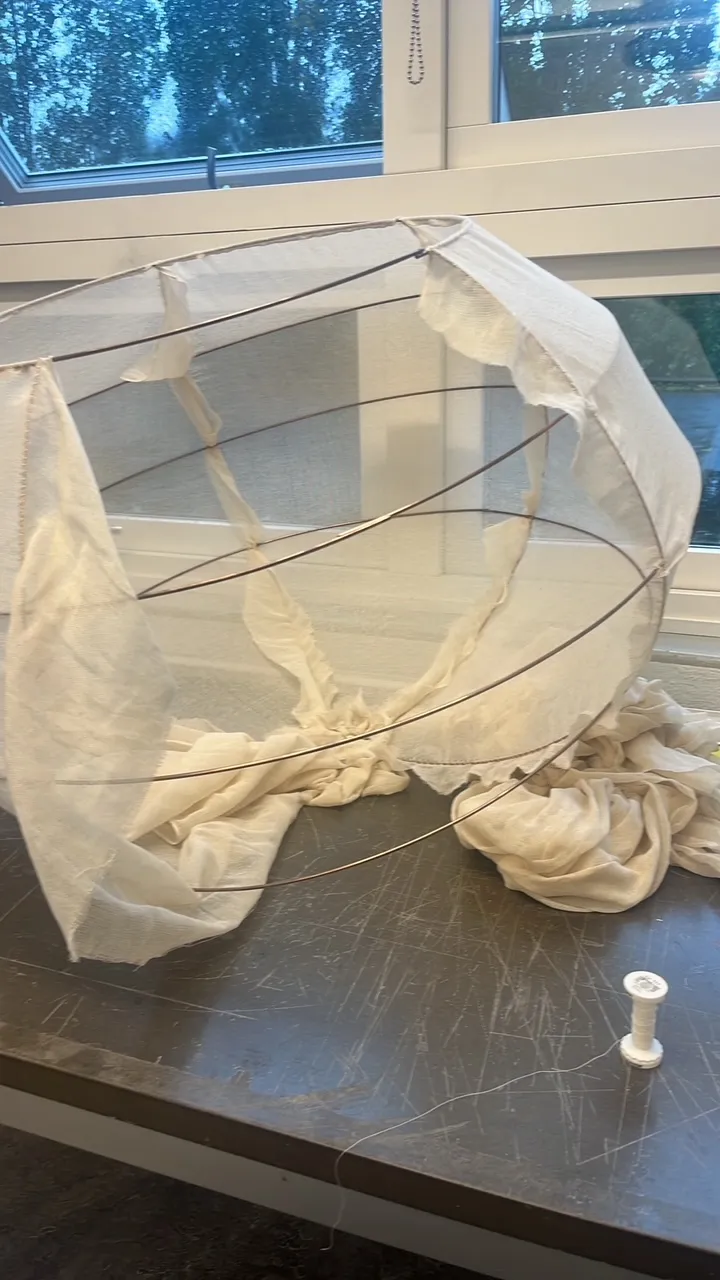
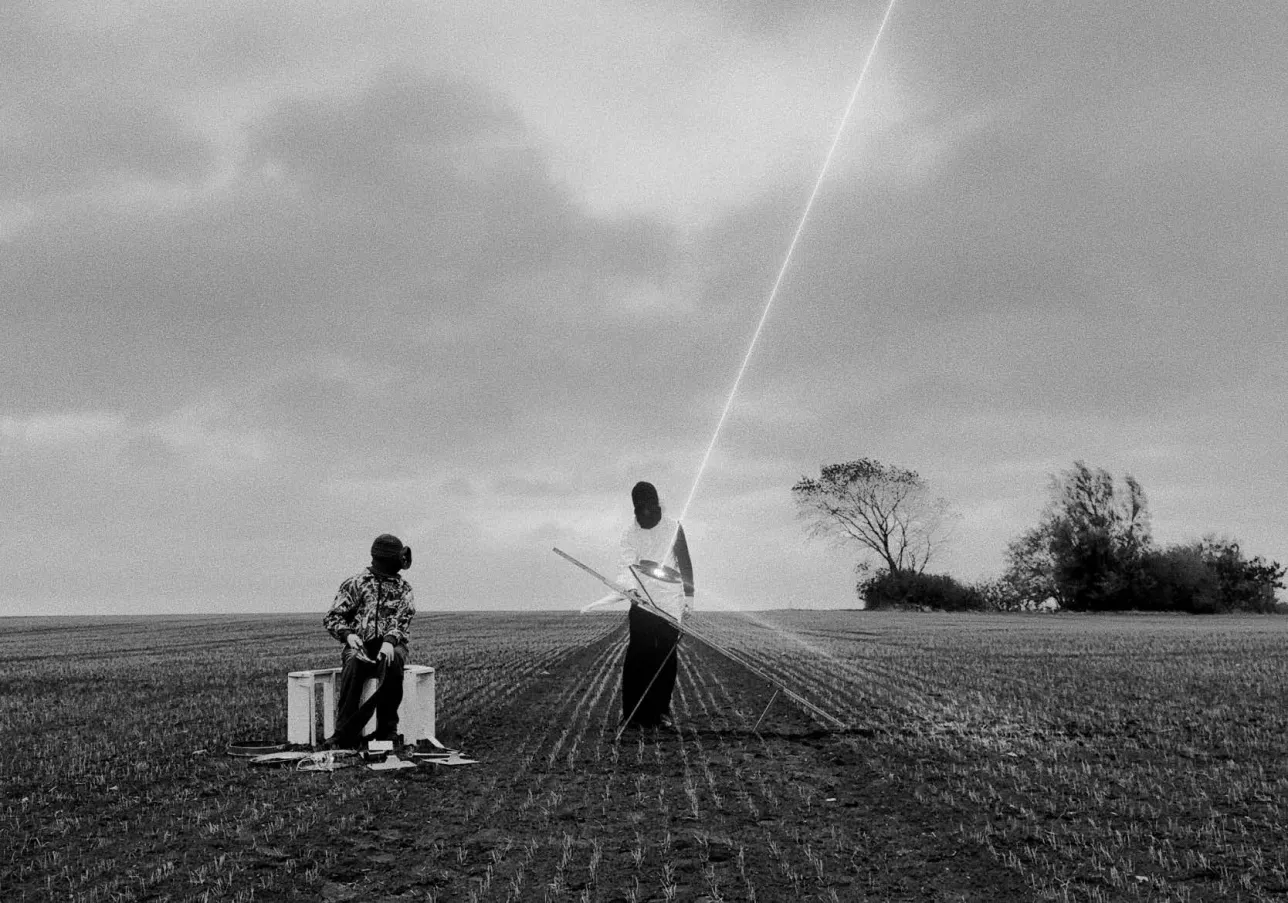
Luftburet is a project inspired by the wind’s ability to transport and transform sound. The shape of the garment mimics a movement in the wind and the soft, sheer fabric appears undulating in the air, like sound traveling in the wind. At the same time, the sharp angles give a somewhat harsher expression, like the sound of a storm. The furniture is a mobile and modular stand and lamp that changes shape in its different positions. Like how wind changes sound, the reflection of light changes dependingon how the furniture and lamp is positioned.
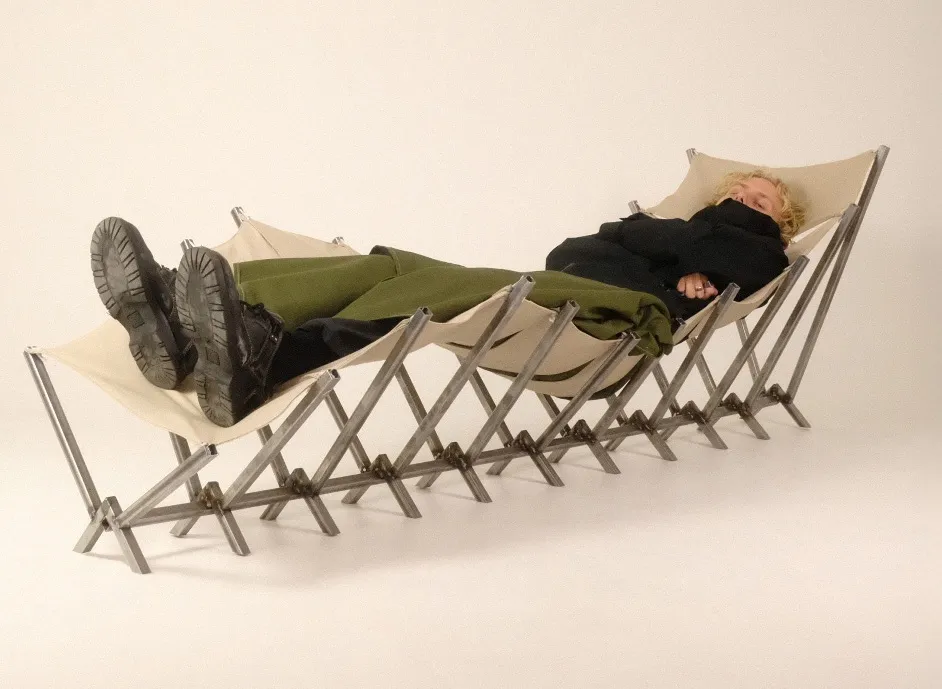
The project began with an idea of how sound, something invisible, can shape a physical object. We explored the sound of fabric tearing, where force and material meet in tension, drawing inspiration from sails strained by wind yet held by a steady mast. This led to a chaise longue with a steel frame and a durable canvas seat reinforced with jute straps. A matching canvas skirt can be stretched over the piece in rain, creating shelter and expressing tension balanced by stability.
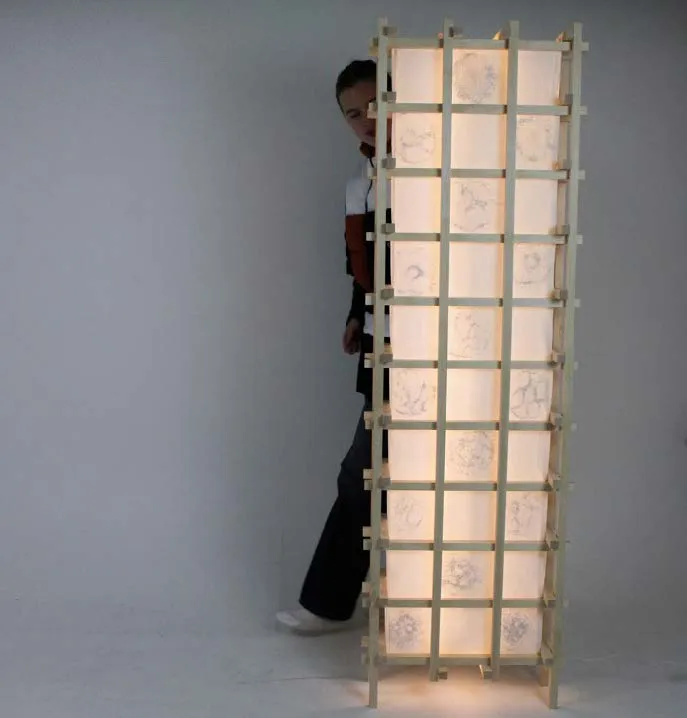
The project Rut is based on the theme of sound and explores how the movement of sound can be visualized and given a physical form. The result is a lamp and a jacket with a shared visual expression. The lamp is built from maple rods glued together into a grid and lined with streched fabric on the inside. The jacket is made from resused materials and follows a similar grid structure. The patterns were created though an experimental process inspired by Chladni plates, where tea leaves vibrated on plastic film over a speaker at different sound frequencies.
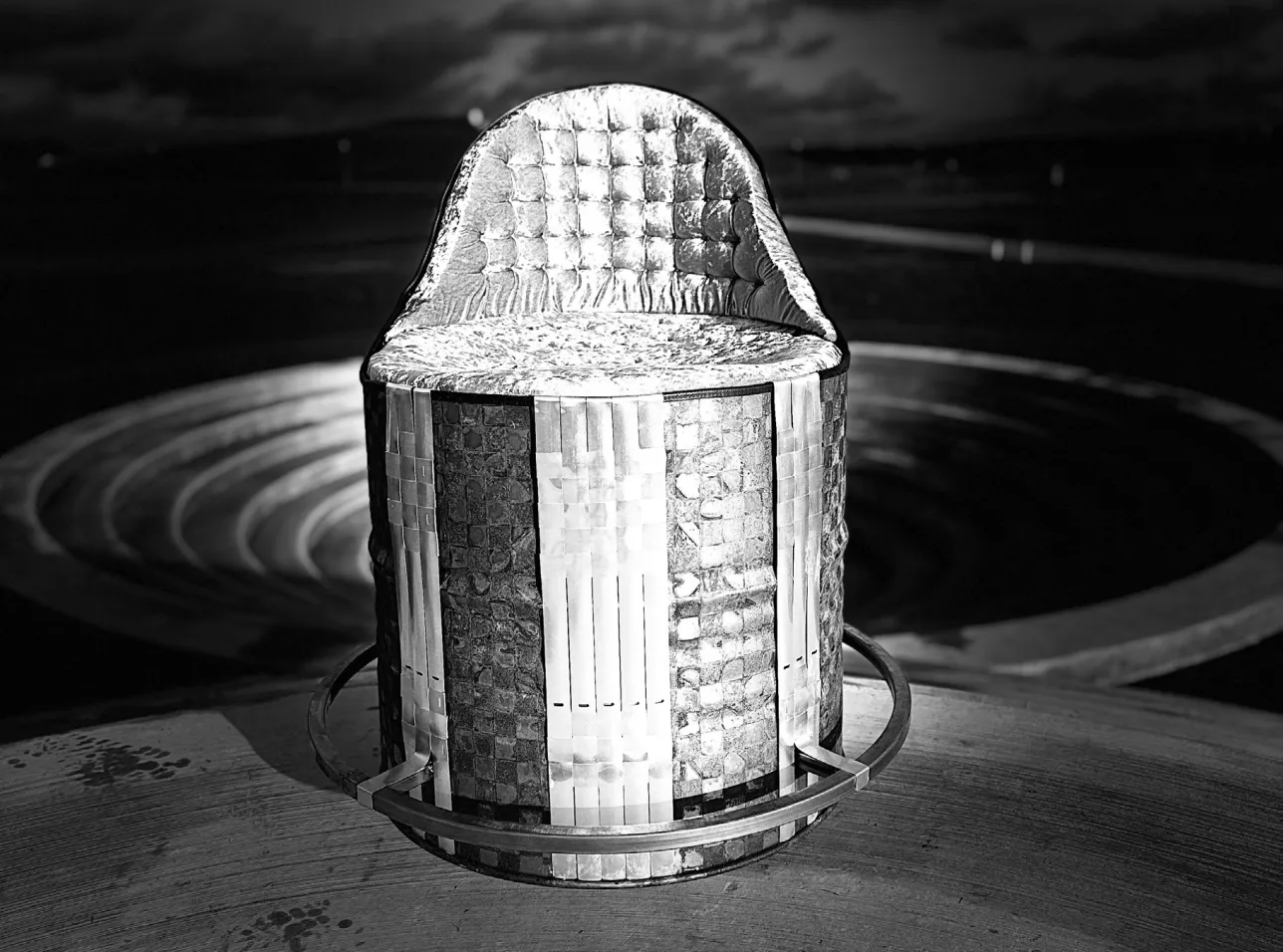
This rotating armchair is more than a place to sit; it is a reflective story set in motion. As it slowly turns around its own axis, a soft whispering sound emerges, like a distant echo of voices and quiet hopes. The shiny checks surrounding its form mirror the people who pass by, catching fragments of faces and movements that briefly appear on the surface before fading again. Beneath this reflective exterior lies a deeper narrative: a reminder of how easily hope can be captured, reflected, and sometimes distorted by those who hold power over the wealth beneath the ground.
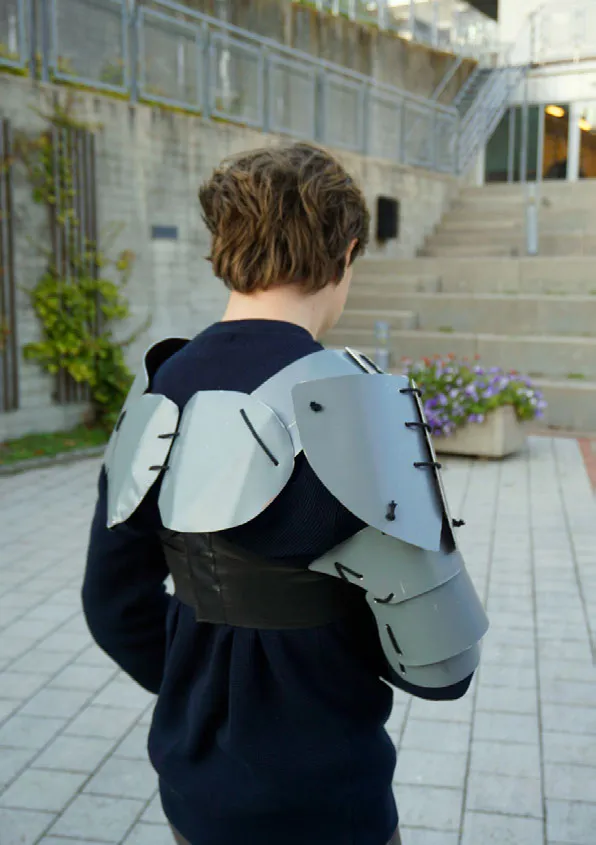
The air raid siren brings danger, which in turn leads to destruction. This destruction has inspired the design of our furniture. Imagine this piece of as a representation of a destroyed building, with debris and beams sticking out of the ruins. It symbolises the end of this emotional journey. Simultaneously, the cape with armour represents the feelings of a person fleeing to safety — anxiety, fear, or readiness to face danger? But like all emotions, these are invisible, and you cannot see them under the cape.
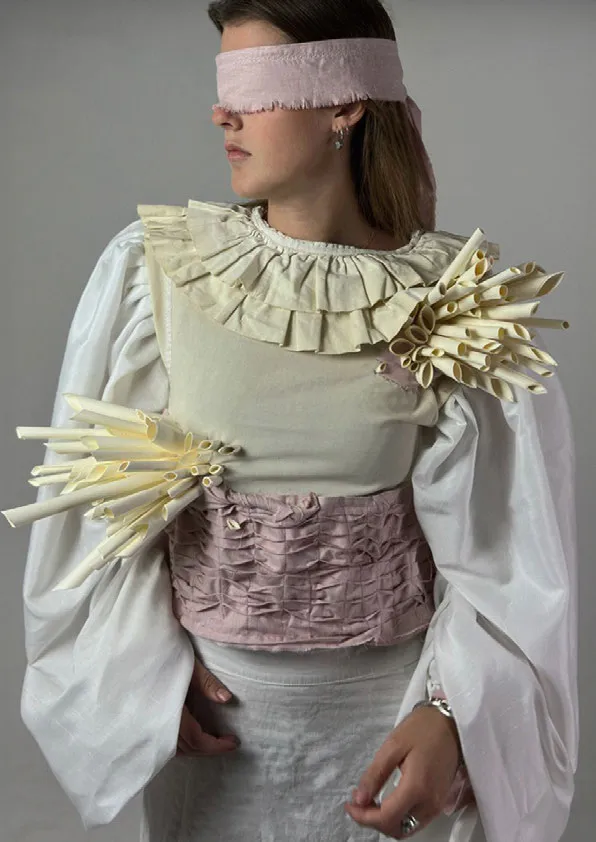
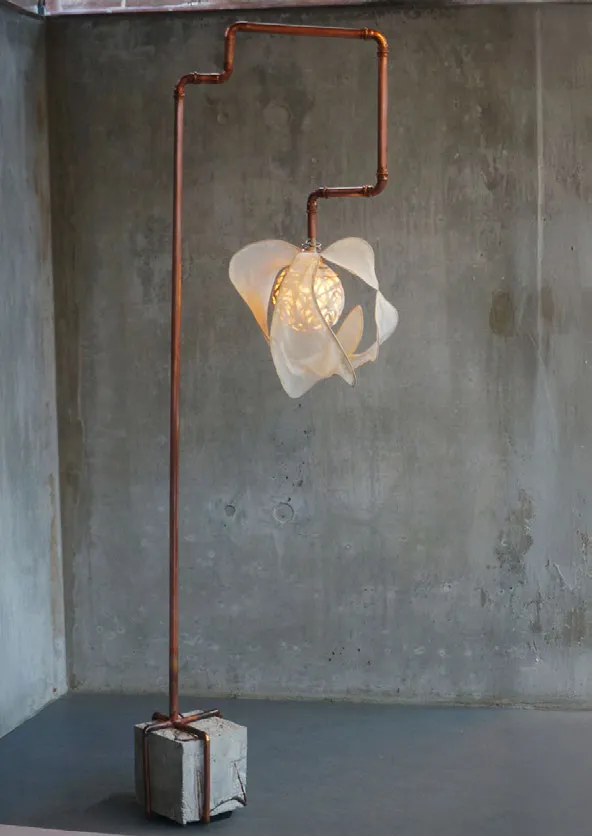
Växer is a sound-based design concept that explores the unheard sonic worlds of plants and nature. The project is based on recordings made with contact microphones that capture the subtle vibrations within growing plant tissues, sounds that would otherwise remain unknown. The concept investigates free growth in uncontrolled environments, where life spreads through cracks and crevices. Made with consideration for decay, using predominantly reclaimed waste materials. The raw concrete base is held up by a “copperpipe hand”, that was soldered together at 500 degrees celcius, extreme heat exposing the natural colours of the metal.
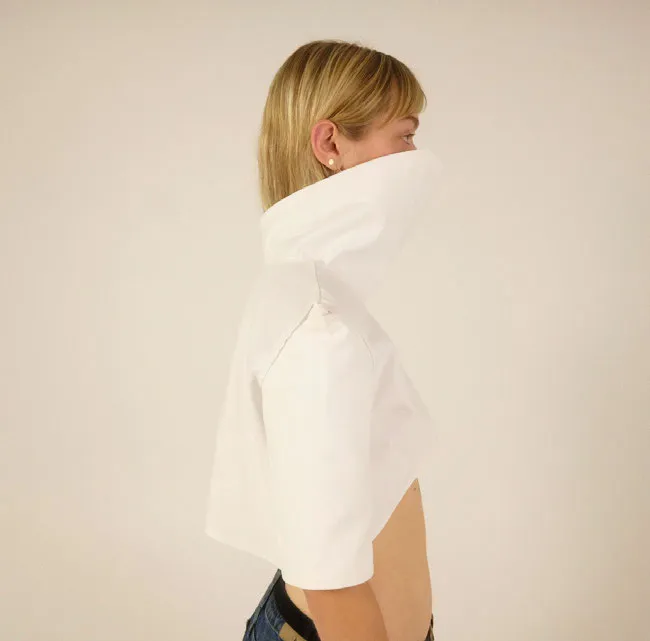
Our dynamic, multifunctional shelving unit merge architecture and music through five movable level rotating around a vertical metal rod. The design is inspired by the Hirajoshi scale, traditionally used to tune Japans national instrument, the “koto”, with each level representing a note. A garment accompanies the piece, inspired by the koto’s distinctive movable bridges. Reclaimed wooden shelves combined with a metal rod and custom-made rings for stability. Through testing and refinement, we achieved desired durability and design, uniting sound, space, and body.
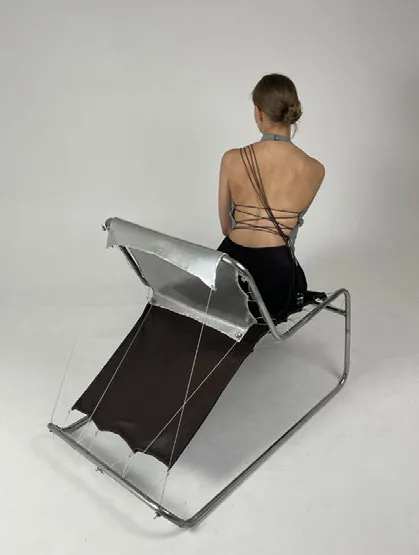
A visualization of the tension and vibration that creates sound in musical instruments, such as strings and the stretched surface on drums. This lounge chair emphasizes tension through its construction. The leather seat is tightly stretched to the frame by wire, with ridges that accentuate the direction that the leather is being pulled. These forms are replicated in the aluminium backrest, mirroring the leather’s deformation under tension. Sitting down engages the wires, tightening and releasing the seat. The top complements the chair through shared materials. Pulling the lacing cord tightens and deforms the leather, visually expressing tension and
movement.
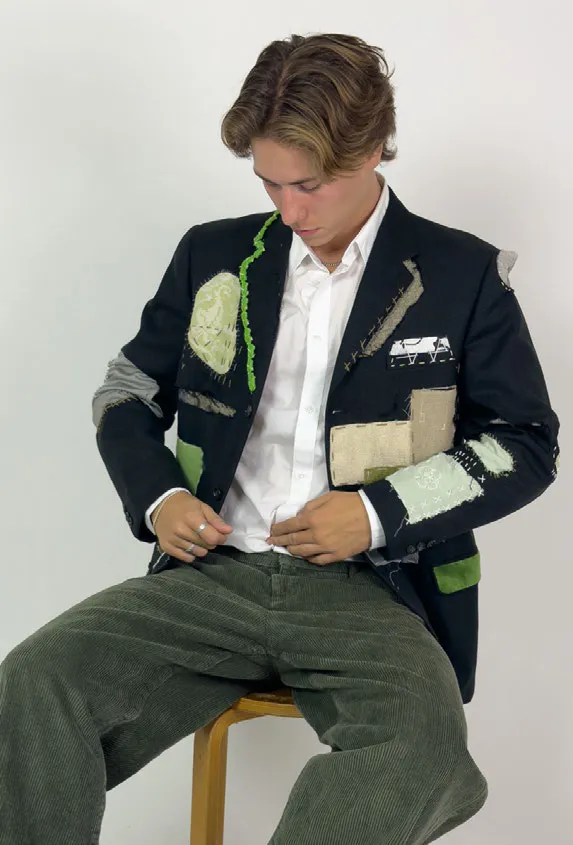
Our project explores naive interpretations of sound, focusing on how sound can be perceived through senses beyond hearing. Encounters between materials produce sounds that shape a material’s identity alongside texture and density. By testing materials together, we reveal relationships of harmony or dissonance, similarity or difference. Breakage records events like traces of the past and becomes narrative in our design: torn textiles expose warp and weft, while reused sheet metal, marked by bends and scratches, carries visible scars of previous use.
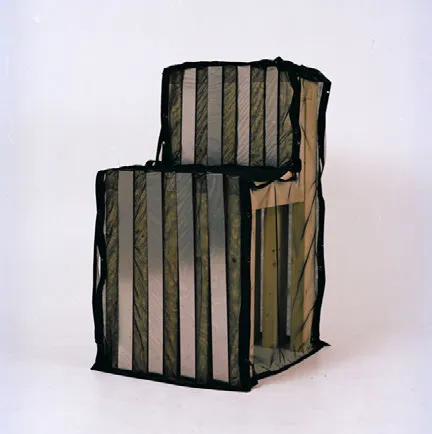
Our furniture project is based on the phenomenon of phase cancellation. Two identical sound waves meet out of phase and cancel each other out. Through a piece of furniture and a garment, where each object represents a sound wave, we materialize this invisible process in physical form. When separated, the objects express the presence of sound; when brought together, a visual silence emerges. The process combined form studies, material experimentation, and spatial exploration.
24.00 explores the present of the sound and in what ways it creates a feeling of company in solitariness. We have built a chair out of an old longcase clock which sways as the pendulum, and ticks in the beat of time. We also created a garment inspired of the clock’s shape and movement, that emit a soft ticking sound when you move. Together it creates a reminder of the sound that keeps us company- a steady rhythm which fills the silence.
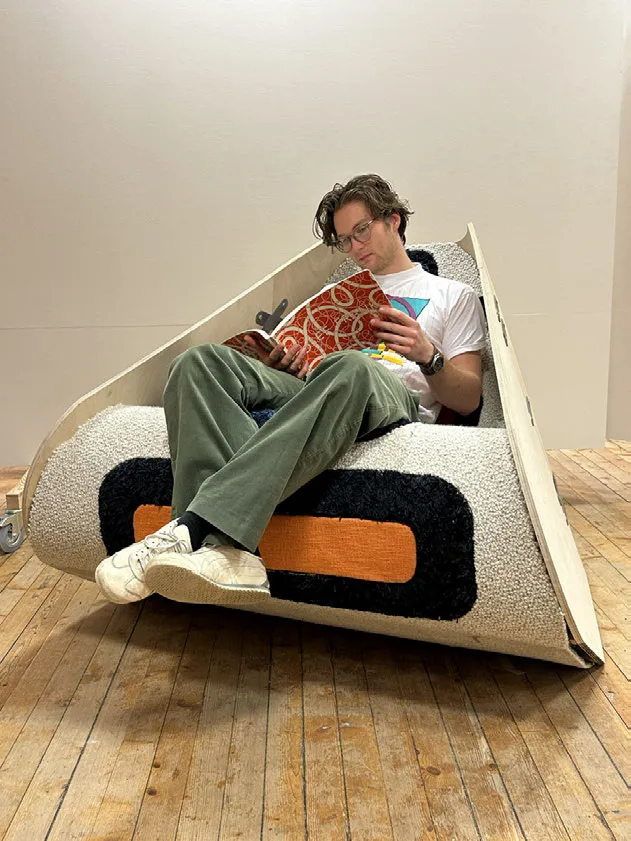
The project explores how music can be translated from sound into a sensory and visual experience, in this case orchestra. The form and scale evoke power and strength. A pyramid and a suit of armor. The project focuses on two sensations: the sense of enclosure emerges through the scale of the pieces and their use. Tension is expressed by the garment through a restriction of sight and movement, the furniture creates tension by tilting backwards and catches the body at the moment where balance is lost.
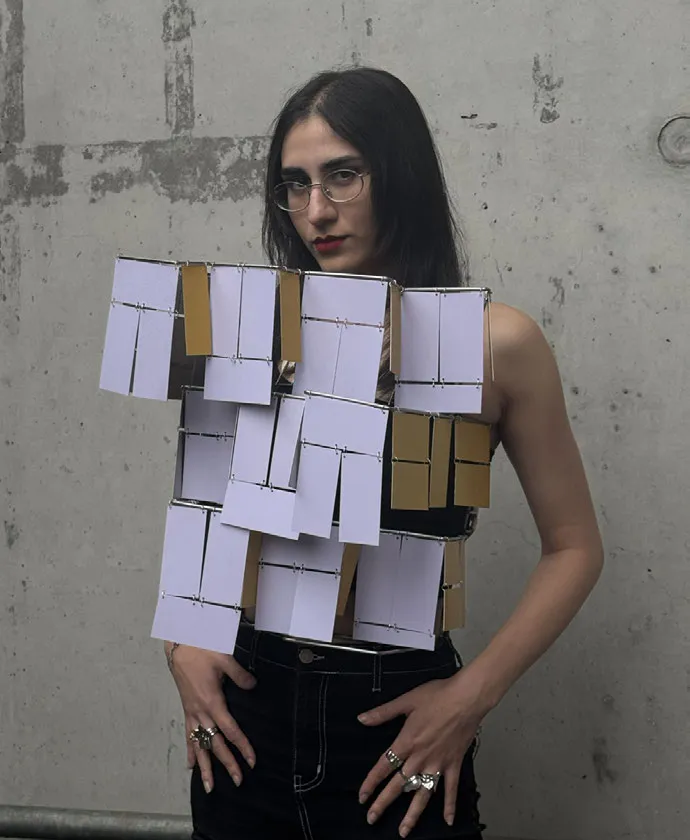
Music arises from vibrations in the air that propagate as waves. But what happens to sound when no one hears it? Must music be confined to the sense of hearing, or can it be experienced through other senses as well? Synestesi explores sound beyond the ear. In this project, vibrations are translated into visual and bodily experiences: a table where the movements of sound become visible to the eye, and a suit that allows the body to feel the vibrations of music. The work is an attempt to expand how sound can be perceived.
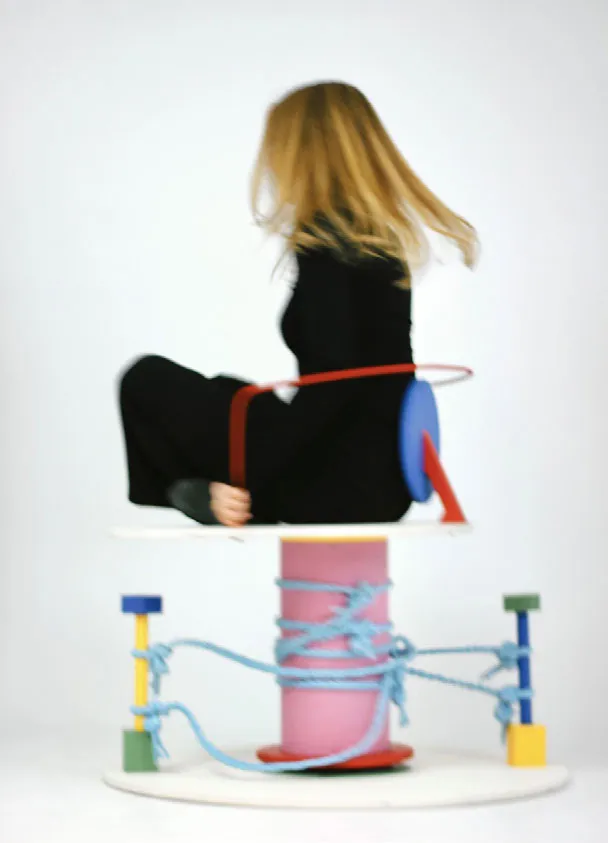
Laughter is a reaction triggered by joy, nervousness, discomfort, or relief. This project explores its playful side through connections to childhood toys, movement, and memories. SNuRramEj is a rotating chair inspired by a swing, where cords twist, tighten, and spin back to create a familiar sensation that evokes laughter. LyFtmEj is a garment inspired by a clown’s visual expression and
a play parachutes function, with oversized proportions, encouraging movement and play. Bold colors enhance a sense of children’s imagination, curiosity and carefree freedom.
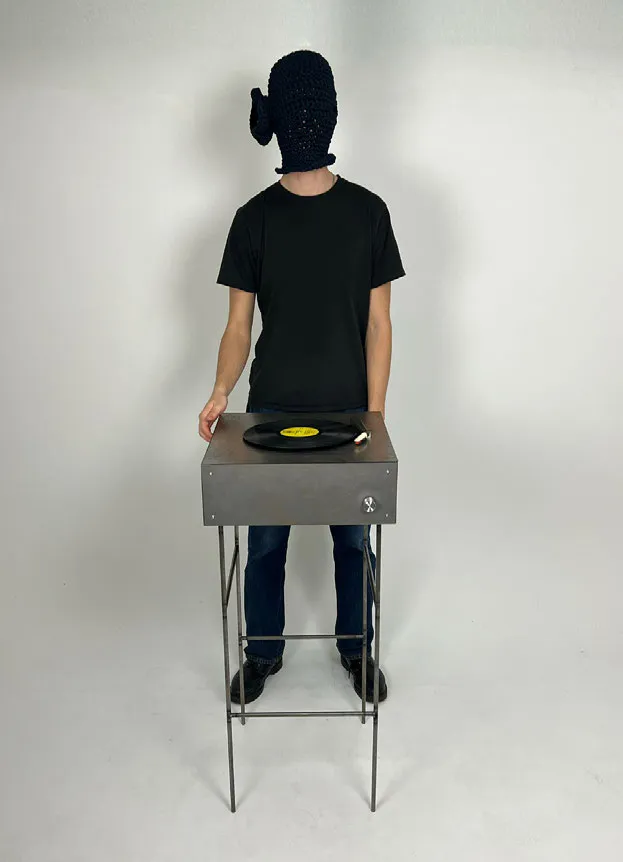
Earlier, sound had an obvious place in the home. Sound furniture functioned as campfires where people gathered to take in information together or enjoy music.
Technological development has changed the way we listen. Today we often isolate sound, creating our own individual sound environments, and in doing so we miss out on the social interaction that sound once made possible. Our hope is that our project will bring people together again with the help of music’s power of attraction. The Altar is a tribute to sound’s ability to gather people, move them, and create a sense of community.