
Project: Buildings and indoor settings
Our research projects on indoor environments and buildings focus on users' motivation for sustainable behaviours and design for behaviour change. The research addresses individual environmental factors such as lighting, thermal comfort and the functionality of buildings with regard to energy use.
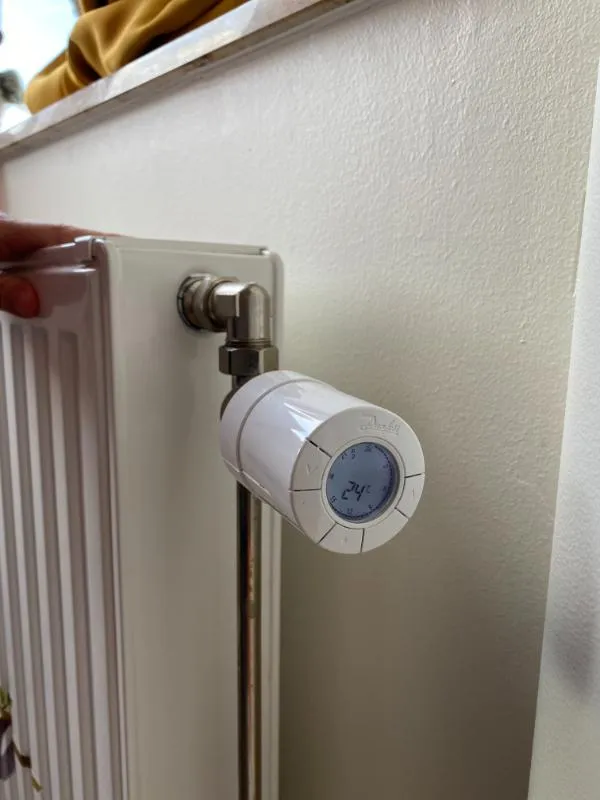
Default options as potential tools for promoting energy-efficient behaviour: a lab study
The project investigates different default options (for example, standard choices of lighting level, lighting control, equipment, indoor and water temperatures, water flow) and their potential to promote energy efficient behaviours.
More about the project on the Design för energieffektiv vardag website (in Swedish)

Aspirations and Actions – the path towards energy efficiency behaviour in residential buildings
Residents' household energy use is important to how the goals of energy-efficient buildings would be acheive. This project explored behavioural drivers that affect household energy use in energy-efficient multifamily buildings.

Sketch: Arkitekterna
Lund University Living Lab – LuLL
The project aims to provide input to the design of the living lab and to identify critical criteria for making the facilities accomodating different types of research. Another aim of the project is to develop a suggestion for an organizational structure.
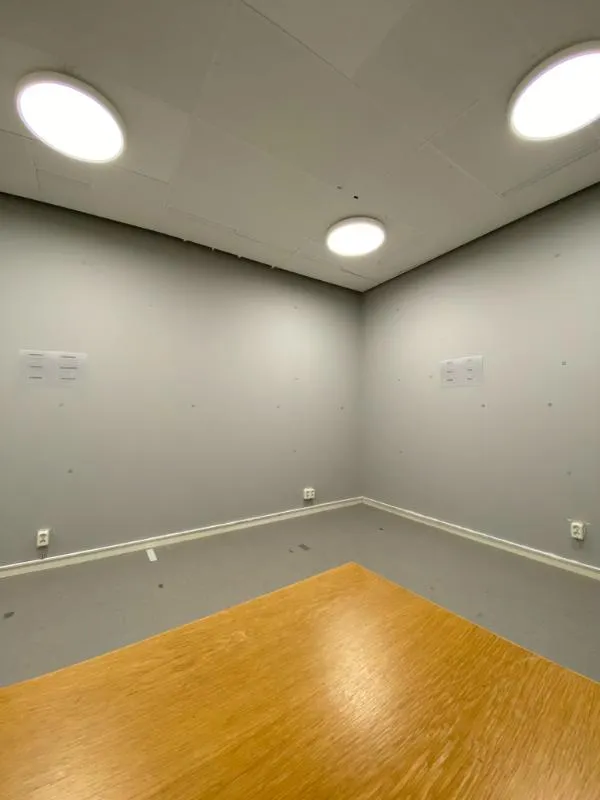
Evaluation of subjective discomfort glare from commonly used LED-based lighting systems in work environment
Despite meeting criteria in lighting design, there are still individuals who experience glare and insufficient light. The purpose of the study is to assess factors that contribute to a subjective experience of discomfort glare and to evaluate objective measurement methods for this with regard to the light environment.